
In 2005, Brian and I had the privilege of appearing on The Oprah Winfrey Show in an episode about cheating husbands.
At the time, we had recently shared our own story publicly and were beginning our work helping couples heal from infidelity.
The episode featured several couples whose lives had been deeply affected by affairs. Some marriages survived. Some did not. There were tears, difficult truths, hard questions, and powerful moments of honesty.
More than twenty years later, after helping thousands of couples recover from infidelity, I still believe many of the lessons discussed on that show remain true today.
Many of the lessons we discussed on Oprah help explain why people cheat, why they cause so much damage, and what couples can do to prevent them.
Here are some of the most important things we learned.
Lesson #1: Affairs Thrive in Secrecy
One of the most painful aspects of infidelity is not the affair itself.
It is the lies.
You cannot have an affair without deception.
Affairs survive in secrecy.
The longer secrets are protected, the longer healing is delayed.
One of the reasons affairs are so destructive is because they create two realities:
The affair partner receives a window into the marriage.
The faithful spouse receives a wall around the affair.
To heal, that dynamic must be reversed.
The affair partner must be cut out.
The spouse must be given the truth.
This does not mean unloading unnecessary graphic details.
It does mean honesty.
Healing cannot begin until reality is faced.
Lesson #2: Affairs Are Usually Not About Sex
One of the biggest myths about infidelity is that affairs happen because someone found a more attractive person.
In our experience, that is rarely the full story.
Most people are not drawn primarily to the affair partner.
They are drawn to how they feel around the affair partner.
They feel admired.
Desired.
Important.
Interesting.
Alive.
This does not justify an affair.
But it helps explain why intelligent, successful, seemingly rational people sometimes make decisions that leave everyone shocked.
Many affairs begin as emotional connections long before they become physical.
Understanding this is critical for both prevention and recovery.
Lesson #3: The Affair Partner Is Not Necessarily Better
One of the most damaging assumptions betrayed spouses make is believing:
“If my spouse chose someone else, that person must be better than me.”
The Oprah episode reinforced something I have seen repeatedly over the years:
The affair partner is often not prettier.
Not smarter.
Not younger.
Not more successful.
Not more compatible.
The affair is not usually a competition that one person wins and another loses.
It is often the result of poor boundaries, emotional vulnerability, fantasy, and opportunity.
Your spouse’s affair does not determine your value.
Lesson #4: Good People Can Make Terrible Decisions
This may be one of the most controversial things we teach.
Many people want affairs to be simple.
Good people remain faithful.
Bad people cheat.
Unfortunately, life is not that simple.
Some people who have affairs are deeply selfish and unwilling to change.
Others are genuinely shocked by what they have done.
They violated their own values.
Their own faith.
Their own promises.
Their own vision of who they believed themselves to be.
Understanding this does not excuse infidelity.
But it does help explain why affairs happen in marriages that previously appeared strong and healthy.
One of the most dangerous beliefs a person can have is:
“This could never happen to me.”
Education, awareness, and healthy boundaries matter.
Lesson #5: Recovery Begins With Truth
One of the couples on the show had an affair that occurred years earlier but had only recently been discovered.
That highlighted an important reality:
Affair recovery begins on the day of disclosure.
Not the day the affair happened.
Not the day it ended.
The day it becomes known.
For the betrayed spouse, discovery often feels like the affair just happened.
That is why statements like:
“It was years ago. Why can’t you get over it?”
are so damaging.
The clock starts when the truth comes out.
Lesson #6: Affairs Hurt More People Than Most Realize
An affair rarely impacts only two people.
It affects:
- spouses
- children
- extended family
- friendships
- finances
- future plans
- emotional health
Many people enter affairs focusing only on how they feel.
They are not thinking about the ripple effects their choices will create.
One of the most common statements we hear from remorseful spouses is:
“I never imagined I could hurt someone this much.”
The damage is real.
Which is why prevention matters.
And why healing requires honesty and accountability.
Lesson #7: Some Marriages Heal and Some Do Not
Not every marriage survives infidelity.
And not every marriage should.
Some unfaithful spouses refuse to take responsibility.
Some continue lying.
Some continue cheating.
Some are simply unwilling to change.
But many marriages do recover.
In fact, some become healthier than they were before because both people finally begin addressing problems they had ignored for years.
The deciding factor is rarely the affair itself.
The deciding factor is what happens afterward.
Does the unfaithful spouse take responsibility?
Does truth replace secrecy?
Are both people willing to grow?
Those questions matter far more than the affair alone.
Twenty Years Later: What We Believe Now
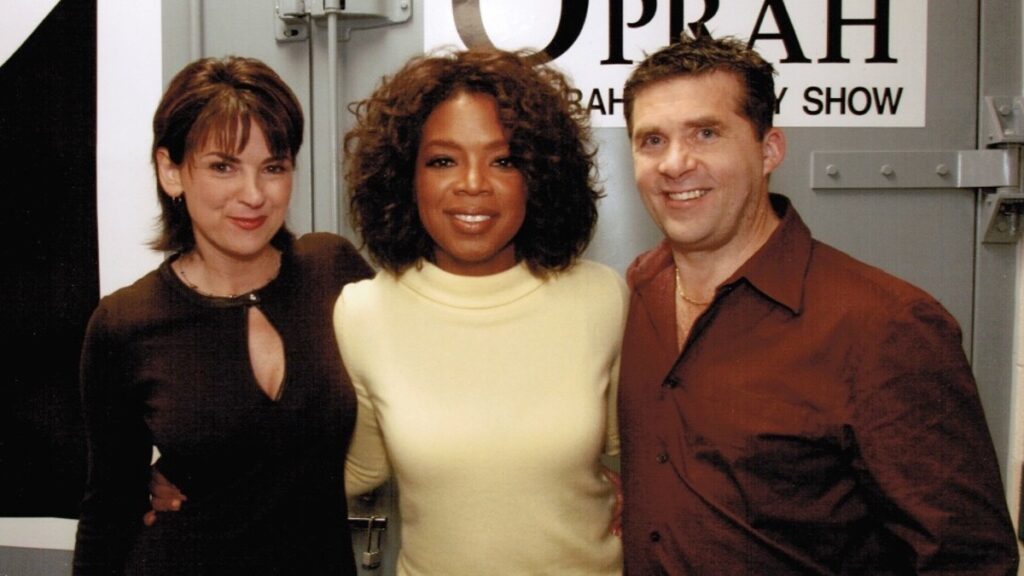
When Brian and I appeared on Oprah in 2005, we were still relatively early in our journey of helping couples heal from infidelity.
Since then, we have spent more than twenty years working with thousands of husbands and wives whose lives have been shattered by affairs.
So what do we believe now?
Many of the lessons we discussed on Oprah still hold true today.
Affairs thrive in secrecy.
Truth is essential for healing.
The affair partner is rarely “better” than the spouse.
And rebuilding trust takes far longer than most people expect.
But if I have learned anything over the last twenty years, it is that affairs are more complicated than most people think.
The public often wants simple answers.
Bad person.
Good person.
Victim.
Villain.
Leave.
Stay.
Real life is rarely that simple.
Many of the people who have affairs are not evil people. They are flawed people. They are often confused, emotionally immature, lonely, vulnerable, selfish, entitled, wounded, or escaping pain in unhealthy ways.
Understanding that reality does not excuse infidelity.
But it does help explain it.
I have also become increasingly convinced that healing requires courage from everyone involved.
It takes courage for the betrayed spouse to face the truth.
It takes courage for the unfaithful spouse to take responsibility.
It takes courage for a marriage to survive.
And sometimes it takes courage to leave when a spouse refuses to change.
Perhaps the biggest thing I have learned is this:
People are capable of tremendous destruction, but they are also capable of tremendous growth.
I have seen marriages end because one spouse refused to change.
I have also seen marriages become stronger, more honest, and more connected than either spouse believed possible.
Not because the affair was good.
It wasn’t.
But because both people chose to face reality, do the work, and become better versions of themselves.
Twenty years later, that is still the message we want people to hear:
There is hope.
Not easy hope.
Not magical hope.
But real hope for those who are willing to do the work.
Understanding Why Affairs Happen
To learn more about the personal, marital, and environmental vulnerabilities that contribute to infidelity, read:
→ Why Do People Cheat? 12 Reasons Affairs Happen and How to Prevent Them
Related Articles
Affairs Happen in Good Marriages Too
How Could This Affair Happen to Us?
Next Step in Recovery
Understanding why an affair happened can provide context, but healing requires addressing the emotional impact as well: