
Discovering your spouse’s affair can be one of the most emotionally devastating experiences of your life.
Many betrayed spouses describe feeling:
- shocked,
- emotionally shattered,
- unable to think clearly,
- isolated,
- ashamed,
- and completely alone.
Even when surrounded by family or friends, many people quickly discover that very few individuals truly understand the trauma of infidelity unless they have personally experienced it.
One of the most painful aspects of betrayal trauma is the overwhelming sense of isolation.
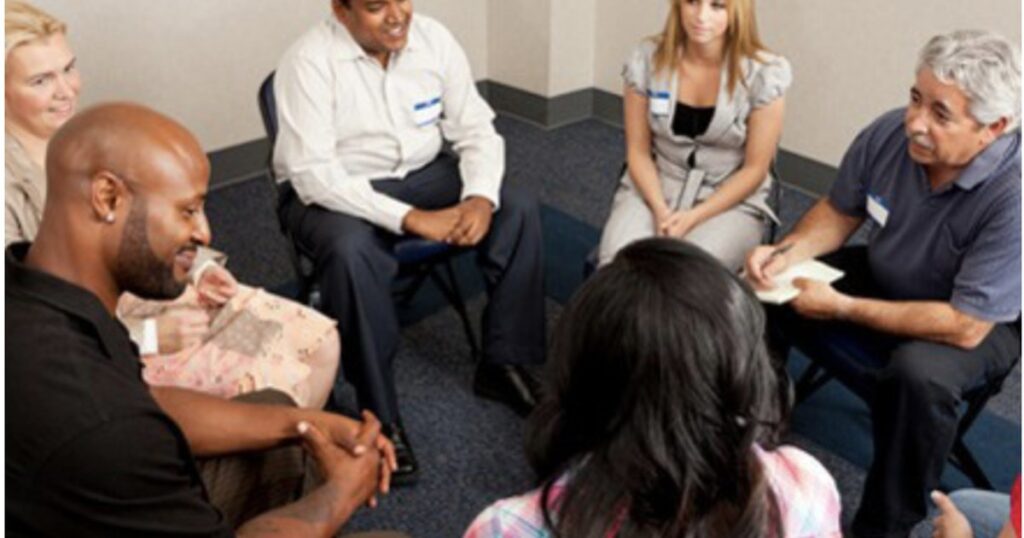
That is why infidelity support groups can play such an important role in healing after betrayal.
When I first discovered my husband’s affair, I longed to talk with someone — anyone — who truly understood what I was going through. I could barely survive one hour at a time emotionally. Counseling appointments every couple of weeks were simply not enough to carry me through the intensity of the pain.
I remember wondering:
“Is there anyone else out there who understands this?”
That search eventually led me to Peggy Vaughan and the Beyond Affairs Network (BAN), a support network specifically created for betrayed spouses recovering from the devastating emotional impact of infidelity.
Over the years, I have seen firsthand how support groups can help people survive, heal, and rebuild their lives after betrayal.
Is It Normal to Need Support After Infidelity?
Yes. Many betrayed spouses experience intense emotional trauma, isolation, grief, confusion, anxiety, and even symptoms similar to PTSD after discovering infidelity. Support groups can help reduce isolation and provide understanding, validation, perspective, and hope during recovery.
Many people are surprised by how deeply infidelity affects them emotionally and physically.
After discovering betrayal, people often struggle with:
- sleep problems,
- anxiety,
- obsessive thoughts,
- emotional flooding,
- difficulty concentrating,
- panic,
- depression,
- and overwhelming grief.
Many betrayed spouses begin questioning:
- their worth,
- their judgment,
- their sanity,
- and their future.
Simply being around others who genuinely understand can become profoundly healing.
As one BAN member shared:
“I was no longer alone in my pain. I found healing.”
Another explained:
“Knowing you are not alone and you are not insane and it is okay to feel what you are feeling really does give you permission to grieve your loss.”
That emotional validation matters enormously during affair recovery.
Why Infidelity Support Groups Can Help Healing
One of the most powerful benefits of support groups is their ability to break through emotional isolation.
Affair recovery often feels lonely because many betrayed spouses:
- feel embarrassed,
- hide what happened,
- fear judgment,
- or struggle to explain the trauma to others who have never experienced it.
Support groups provide something many people desperately need:
understanding.
As one member beautifully expressed:
“As I look back on our meeting, I realize that not one of us said, ‘Do you know what I mean?’ We all knew.”
That feeling of being emotionally understood can become a major turning point in healing.
Support groups also help people:
- gain perspective,
- regulate emotional reactions,
- make healthier decisions,
- and realize healing is possible.
Another BAN member shared:
“BAN gave me hope that I could survive and that my marriage could survive, if we both worked at it.”
Hope matters.
Especially in the early stages of betrayal trauma when many people feel emotionally destroyed.
What Is the Beyond Affairs Network (BAN)?
The Beyond Affairs Network (BAN) is our non-profit work – a network of support groups for betrayed spouses recovering from the emotional trauma of infidelity. A BAN support group exists wherever we have a volunteer willing to coordinate a group in that location.
BAN was originally founded by Peggy Vaughan, author of The Monogamy Myth, after she publicly shared her own experience recovering from her husband’s affairs and discovered the overwhelming need for emotional support among betrayed spouses.
BAN is:
- peer support,
- volunteer-based,
- emotionally supportive,
- and focused on helping people recover from betrayal trauma.
- BAN is not a replacement for therapy, counseling, coaching, affair recovery retreats, or other professional help.
It is not intended to replace professional counseling or therapy, but many people find support groups extremely helpful alongside counseling and other recovery resources.
Over the years, BAN groups have helped thousands of betrayed spouses feel less alone during one of the hardest experiences of their lives.
Why Community Matters During Affair Recovery
Healing after infidelity is not simply an intellectual process.
It is deeply emotional.
Many betrayed spouses spend months — sometimes years — trying to:
- process shock,
- understand what happened,
- rebuild emotional stability,
- and decide what comes next.
Isolation often intensifies emotional suffering.
Community helps interrupt that isolation.
One BAN member wrote:
“Finding people through BAN helped me realize that the feelings of despair and the pain I was experiencing were shared by many others. The knowledge that I was not alone in that dark place helped me on my journey back to life.”
Another shared:
“BAN was my lifeline.”
And another:
“I came to the meeting broken and in despair. I met women and men with similar casualties and suddenly my aloneness disappeared.”
Those statements capture something important:
Healing often begins when people are able to breakthrough the isolation they feel.
Support Groups Help People Heal — Not Just Vent
Healthy support groups are not simply places to complain endlessly about pain.
At their best, they help people:
- process emotions safely,
- gain perspective,
- rebuild strength,
- and move forward more wisely.
As Peggy Vaughan explained, the ultimate goal of BAN was never lifelong dependency on the group itself, but helping people eventually reach a place where they no longer needed it.
Many members eventually discover something surprising:
helping others helps them heal too.
One BAN member explained:
“BAN gives me a sense of self worth when I can use my crazy unfortunate circumstances in life to comfort that new person who has just found out about their spouse’s infidelity and encourage them that they can make it.”
That transformation — from devastated victim to someone capable of supporting others — can become a very meaningful part of healing.
What If There Is No Infidelity Support Group in Your Area?
Not everyone has access to an in-person support group nearby.
That became even more true after COVID-19 disrupted many in-person communities.
Today, many people find support through:
- online support communities,
- virtual meetings,
- coaching,
- counseling,
- educational resources,
- books,
- and online affair recovery programs.
At Beyond Affairs, we do offer an online support community for betrayed and unfaithful spouses seeking understanding, education, healing, and hope. Because of the quality and quantity of help offered there, we do charge a minimal $49/month membership fee. For more information and to apply to become a member, follow this link: Beyond Affairs Online Community.
The important thing is this:
do not try to carry this pain entirely alone.
Healing after betrayal is difficult enough without isolation.
Final Thoughts on Healing After Betrayal
Infidelity creates profound emotional trauma.
Many betrayed spouses feel:
- lost,
- ashamed,
- emotionally shattered,
- and disconnected from the world around them.
Support groups cannot erase the pain.
But they can provide:
- understanding,
- perspective,
- hope,
- emotional safety,
- and connection during the healing process.
One of the most powerful truths many people discover in support groups is this:
they are not crazy,
they are not weak,
and they are not alone.
As one BAN member so beautifully wrote:
“I felt lost, alone and afraid. Finding BAN was my lifeline.”
And for many people recovering from betrayal trauma, simply finding others who understand can become the beginning of healing.
By Anne Bercht
Learn More
6 Stages of Affair Recovery and Healing After Infidelity
Related Articles
Best Books for Healing After Infidelity
Can Reading About Infidelity Recovery & Related Topics Help You Heal?