
One of the greatest mistakes couples make when healing after infidelity is believing healing will happen automatically once the affair ends.
It rarely does.
Recovering from an affair is emotionally exhausting for both spouses. The betrayed spouse is often overwhelmed with grief, anger, fear, confusion, and betrayal trauma. The unfaithful spouse may also be struggling internally with shame, guilt, confusion, emotional emptiness, or unresolved personal pain they themselves may not fully understand.
Many couples desperately want to heal, but they no longer know how to communicate with each other safely.
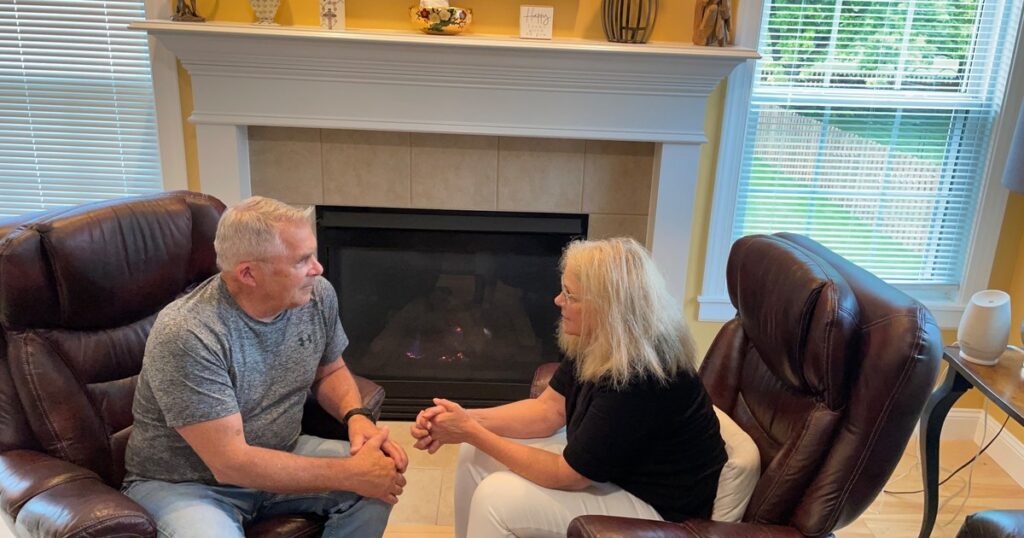
This conversation between my husband Brian and myself began one Saturday morning over coffee while discussing a particular woman’s marriage situation. What Brian shared was so insightful regarding the mind of the unfaithful spouse that I asked permission to record the conversation. It was originally never intended for publication, but over the years many people have told us how deeply these insights helped them understand rebuilding a marriage after cheating.
If you are trying to understand healing after infidelity, recovering from an affair, rebuilding trust, or saving a marriage after betrayal, I believe this conversation may help you.
Can a Marriage Heal After Cheating?
Yes. Many marriages can heal after infidelity when both spouses become willing to engage in honest communication, emotional growth, accountability, and long-term rebuilding of trust and connection.
Healing after infidelity is rarely quick or easy.
In fact, many couples are shocked by how long affair recovery actually takes.
Rebuilding a marriage after cheating often requires:
- difficult conversations,
- emotional honesty,
- patience,
- mutual understanding,
- and a willingness to grow individually as well as together.
One of the most important discoveries Brian and I made in our own recovery journey was this:
Healing usually happens through many hours of honest dialogue.
But how do couples achieve that kind of communication when discussing the affair feels so painful for both people?
That is where this conversation begins.
Why Communication Often Feels Impossible After an Affair
One of the biggest misunderstandings after infidelity is that the betrayed spouse assumes the unfaithful spouse should immediately know exactly how to fix everything.
But often the unfaithful spouse is emotionally confused themselves.
That does NOT excuse the affair.
But understanding this dynamic can sometimes help couples move toward healing more effectively.
The betrayed spouse usually wants:
- remorse,
- honesty,
- reassurance,
- emotional safety,
- and answers.
The unfaithful spouse often feels:
- shame,
- defensiveness,
- confusion,
- fear,
- and emotional paralysis.
Without understanding these different emotional realities, communication easily breaks down.
A Real Conversation Between Anne and Brian
Anne:
What you’re saying is that the unfaithful person needs to experience some degree of emotional safety in order to begin opening up and discussing the affair honestly?
Brian:
Yes. Both people are really hurt. The Betrayer hurts differently, but there is still pain. He knows he has hurt someone he loves, and that creates its own emotional struggle.
One thing I had to discover during our healing process was that I sometimes said things that weren’t entirely true, or I blamed outward things instead of looking inward at myself. But what helped me begin talking openly was that you didn’t instantly attack or condemn every imperfect thing I said.
When you were willing to listen to me without reacting negatively every single time, it helped facilitate communication and healing. If every conversation immediately became judgment or retaliation, eventually I stopped wanting to talk.
Anne:
So part of the reason you became willing to open up was because I helped create an atmosphere where difficult conversations could happen?
Brian:
Exactly. Most unfaithful spouses who genuinely want to save their marriages still don’t naturally want to sit down and confess all the things they’ve done wrong. It’s humbling. It’s painful. Nobody enjoys facing their failures.
If every attempt at honesty is met with rage or humiliation, people often shut down emotionally instead of opening up further.
The betrayed spouse has every reason to hurt deeply, but if reconciliation is the goal, eventually both people have to begin trying to understand each other.
Why Understanding Matters in Affair Recovery
Brian:
People often focus only on getting all the details of the affair, but understanding WHY the affair happened is equally important.
The betrayed spouse usually feels like they only have scattered puzzle pieces while the unfaithful spouse sees the whole picture.
But what often gets overlooked is understanding the “painter” — the person who created the picture.
If you don’t understand WHY your spouse did what they did, it becomes very difficult to rebuild trust. Otherwise every small trigger can create fear, suspicion, and catastrophic thinking.
If I’m ten minutes late, your imagination fills in the gaps because there is still no understanding underneath the details.
For real healing to happen, BOTH people need to feel understood.
Anne:
But someone has to step forward and begin trying to understand first, even while still hurting deeply.
Brian:
Yes, and that’s extremely difficult. But healing can’t wait until all the pain disappears. In the middle of the hurt, couples have to slowly begin listening to each other again.
Rebuilding Trust Happens Through Small Steps
One of the most important things we learned was that healing does not happen through one dramatic moment.
It happens through many small moments.
Anne:
Sometimes the betrayed spouse expects the unfaithful spouse to immediately return emotionally to where the relationship was before the affair. But recovery usually happens in much smaller steps.
A spouse may say “I’m sorry,” awkwardly or imperfectly, but it is still movement toward reconciliation. If every small effort gets rejected because it wasn’t perfect enough, the emotional distance widens again.
Maybe we need to recognize and encourage the small steps toward healing instead of waiting only for dramatic breakthroughs.
Brian:
Exactly. Healing after infidelity takes time because there is enormous hurt involved.
We naturally want retaliation. We want the other person to hurt as much as we hurt. But many times they ARE hurting — just differently.
The betrayed spouse often assumes the unfaithful spouse is simply having fun and not struggling emotionally, but that usually isn’t true.
Why People Have Affairs
One of the most important insights Brian shared during this conversation was his belief that affairs are often symptoms of deeper unresolved emotional struggles.
Again, this does NOT excuse betrayal.
But understanding underlying vulnerability can help couples better understand recovery.
Brian:
The reason for affairs is often that there is some emotional need or inner struggle the person has not dealt with properly.
The affair is not the betrayed spouse’s fault. But both people still need to examine the relationship honestly and recognize unhealthy patterns, emotional disconnection, or unmet needs that existed before the affair happened.
Most people who have affairs are not waking up one day deciding they want to destroy their marriages. Usually there are unresolved issues buried underneath the surface.
Affairs often become outward expressions of deeper internal struggles.
People who have clear purpose, direction, emotional fulfillment, and self-awareness are generally less vulnerable to affairs.
Anne:
We often want simple answers. We want to believe that if people just understood how painful affairs are, nobody would have them.
But affairs are more complicated than that.
People have to be willing to look honestly inside themselves and ask:
- Why do I feel this way?
- What emotional void am I trying to fill?
- What pain or emptiness am I avoiding?
- What do I really need in my life?
That is where real healing begins.
Why Grace and Humility Matter in Healing After Infidelity
One of the most powerful lessons we both learned during recovery was the importance of humility.
Brian:
If we think we are morally above our spouse — “I would never do something like that” — it becomes much harder to truly understand each other and bring healing into the relationship.
That doesn’t mean all wrong is equal. Affairs are incredibly destructive. But we all fail in different ways.
When we recognize our own weaknesses and humanity, forgiveness and understanding become more possible.
Anne:
One thing that genuinely helped me heal was realizing:
I am not better than Brian.
Different circumstances, different vulnerabilities, different opportunities — and perhaps I could also have fallen in some way.
Recognizing our shared humanity helped me begin understanding instead of only condemning.
Healing After Infidelity Requires Mutual Effort
One of the greatest myths about affair recovery is that healing only depends on one spouse.
In reality:
- both people usually need healing,
- both people need growth,
- and both people need to rebuild emotional connection together.
That does NOT mean equal responsibility for the affair itself.
The responsibility for the affair belongs to the person who chose it.
But rebuilding a marriage after cheating often requires both spouses to participate in creating a healthier relationship moving forward.
Final Thoughts on Recovering From an Affair
Healing after infidelity is one of the hardest emotional journeys many couples will ever face.
There are:
- no shortcuts,
- no quick fixes,
- and no perfect scripts.
But many marriages CAN recover and even become stronger when both people become willing to:
- communicate honestly,
- grow personally,
- rebuild trust slowly,
- and understand each other more deeply.
One of the greatest lessons Brian and I learned is this:
Healing rarely happens through one big moment.
It happens through countless small moments of honesty, humility, grace, courage, and conversation.
And often, rebuilding a marriage begins simply by being willing to sit down together — even painfully — and start talking again.
By Anne and Brian Bercht
Learn More
6 Stages of Affair Recovery and Healing After Infidelity
Related Articles
Recovering From an Affair: 9 Keys to Healing After Infidelity (Personal Growth)
Healing After Infidelity: Honest Insights on Rebuilding a Marriage