
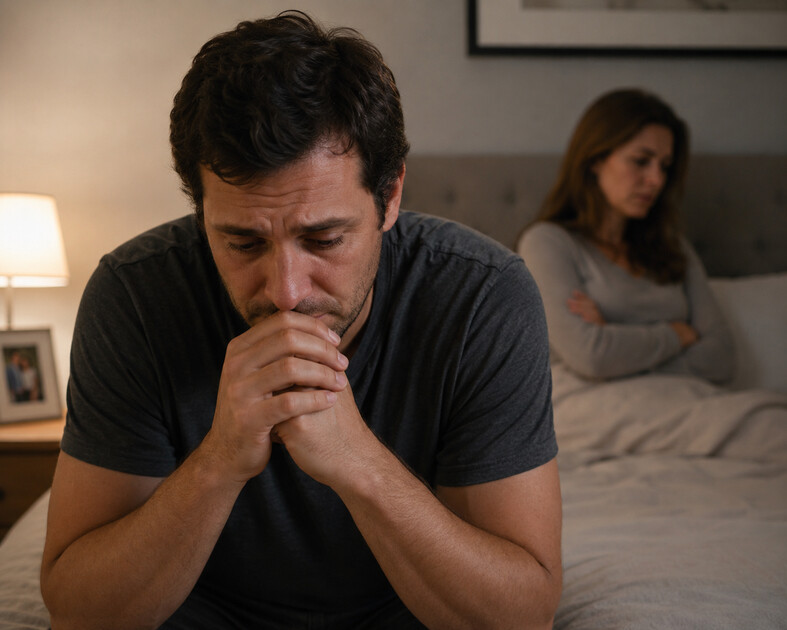
Affair recovery is one of the most emotionally difficult journeys a person or couple can experience. While much of the focus is understandably placed on helping the betrayed spouse heal, there is another critical part of recovery that often gets overlooked:
How do you forgive yourself after an affair?
If you have been unfaithful, you may believe that ongoing guilt, shame, and self-punishment are necessary. You may feel that suffering proves you are truly remorseful.
But what if staying trapped in shame is actually preventing healing — both for you and for your relationship?
Self-forgiveness after infidelity is not about excusing what happened or avoiding accountability. It is about ending the cycle of self-hatred so you can become emotionally healthy enough to fully participate in healing and rebuilding trust.
Over the past 20+ years, we have worked with thousands of couples navigating affair recovery, betrayal trauma, and marriage rebuilding after infidelity. One truth becomes clear repeatedly:
People who remain trapped in shame often struggle to become safe, emotionally present partners.
But people who learn accountability, growth, humility, and self-forgiveness are far more capable of rebuilding trust and emotional connection.
What Does it Mean to Forgive Yourself After an Affair?
Forgiveness is often defined as:
Letting go of resentment and releasing the need for punishment.
When applied to yourself, self-forgiveness means:
- releasing ongoing anger toward yourself
- letting go of self-hatred and shame
- choosing to stop punishing yourself endlessly for past actions
- allowing yourself to grow instead of remaining emotionally stuck
But let’s be very clear:
Self-forgiveness is NOT:
- pretending the affair did not matter
- minimizing the damage caused
- avoiding responsibility
- pressuring your spouse to “move on”
- escaping consequences
Instead, healthy self-forgiveness allows you to face what happened honestly while choosing growth instead of lifelong emotional punishment.
Why Self-Punishment Feels Necessary After An Affair
After infidelity, many people fall into intense cycles of guilt and self-condemnation.
At first, this can feel morally right.
Self-punishment may feel like:
- proof that you are remorseful
- evidence that you understand the pain caused
- a form of justice
- a way to show your spouse you care
In many cases, it reflects something positive:
- a functioning conscience
- awareness of right and wrong
- empathy for the pain caused
- a desire to make things right
But there is a difference between remorse and emotional self-destruction.
Why Shame Can Block Affair Recovery
While accountability supports healing, chronic shame often blocks it.
Over time, ongoing self-punishment can:
- keep you emotionally stuck
- make you defensive and reactive
- shift focus away from your spouse’s healing
- create emotional paralysis instead of growth
- prevent you from becoming emotionally safe
- increase hopelessness and emotional withdrawal
In some situations, unresolved shame can even unintentionally shift emotional attention toward the unfaithful spouse — when the betrayed partner still desperately needs support and validation.
The Difference Between Accountability And Shame
One of the biggest misunderstandings in affair recovery is confusing accountability with shame.
Accountability says:
“I did something wrong, and I take responsibility for it.”
Shame says:
“I am wrong, and I deserve to keep suffering forever.”
Healthy affair recovery absolutely requires accountability.
But staying trapped in shame often prevents real transformation.
People consumed by shame frequently:
- shut down emotionally
- avoid difficult conversations
- become defensive
- seek reassurance
- struggle to remain emotionally present
Ironically, shame can become self-focused.
Real healing requires enough emotional stability to consistently support the betrayed spouse’s recovery.
You Must Believe Self-Forgiveness Is Possible
Before meaningful healing can happen, you must believe this:
Self-forgiveness after infidelity is possible.
Because if you believe you deserve lifelong punishment, you will remain emotionally trapped.
Here is the truth many people struggle to accept:
- You do not earn self-forgiveness through suffering.
- You do not become worthy of forgiveness by hating yourself.
- Endless shame does not undo the affair.
At some point, healing requires choosing growth instead of punishment.
That does NOT mean your actions did not matter.
It means you are choosing to stop destroying yourself emotionally so you can become a healthier, safer, more honest person moving forward.
3 Important Steps to Self-Forgiveness
Self-forgiveness is not passive. It requires action.
While forgiveness itself is ultimately accepted rather than earned, meaningful healing requires intentional change.
1. Time
Healing after infidelity takes time.
You need time to:
- end all ties to the affair
- stabilize the chaos in the relationship
- understand the impact of your actions
- process difficult emotions honestly
- rebuild emotional safety
Rushing recovery usually creates shallow healing.
2. Changing Old Patterns
Self-forgiveness must include transformation.
This means honestly examining:
- unhealthy emotional patterns
- poor boundaries
- avoidance behaviors
- entitlement
- secrecy
- emotional disconnection
- rationalizations that contributed to the affair
Real recovery involves becoming someone different than the person who betrayed the relationship.
3. Support And Community
You cannot navigate affair recovery entirely alone.
One of the biggest mistakes people make is relying solely on their spouse for emotional support while trying to heal from infidelity.
Healthy recovery often requires:
- coaching
- support groups
- mentors
- recovery communities
- counseling
- emotionally safe accountability
Support helps interrupt destructive shame spirals and keeps you grounded in reality.
What Prevents People From Forgiving Themselves?
Several common obstacles tend to block self-forgiveness after cheating or infidelity.
Internal Self-Hatred
Many people believe:
- “I do not deserve forgiveness.”
- “I should suffer forever.”
- “A good person would never have done this.”
These thoughts feel morally responsible, but they often keep people emotionally trapped instead of helping them grow.
Fear From The Betrayed Spouse
Sometimes betrayed spouses understandably fear that self-forgiveness means:
- minimizing the affair
- forgetting the pain
- escaping accountability
- moving on too quickly
Healthy communication is essential here.
True self-forgiveness should increase empathy, patience, accountability, and emotional safety — not reduce them.
Cultural And Religious Beliefs
Some people have deeply ingrained beliefs that wrongdoing requires ongoing punishment.
But lifelong emotional punishment rarely creates lifelong emotional growth.
Transformation comes through humility, accountability, emotional maturity, and intentional change.
Spiritual Conflict
Many people wrestle spiritually with whether forgiving themselves is “allowed.”
This inner conflict can keep them trapped between guilt and hopelessness.
Why Self-Forgiveness Helps Your Spouse Heal
This may be one of the most important realities in affair recovery:
When you do not forgive yourself, you often become less emotionally available to help your spouse heal.
Unresolved shame can cause you to:
- become emotionally reactive
- seek reassurance
- avoid painful conversations
- shut down emotionally
- focus excessively on your own guilt
- become impatient with your spouse’s triggers
But when genuine self-forgiveness develops:
- you can listen without defensiveness
- you can tolerate difficult emotions better
- you can respond with empathy instead of panic
- you can remain emotionally present
- you become safer and more grounded
Self-forgiveness does not weaken accountability.
It strengthens your ability to consistently show up in healthy ways.
Signs You May Still Be Stuck In Shame
You may still be operating from unresolved shame if you frequently think or say things like:
- “When are you going to move on?”
- “Can’t we just stop talking about this?”
- “Why are we still discussing the affair?”
- “I said I was sorry.”
- “Nothing I do is ever enough.”
These reactions often come from emotional exhaustion and unresolved shame rather than genuine healing.
Freedom Creates Better Healing
Forgiving yourself after an affair does not erase the past.
It does not remove consequences.
And it does not instantly repair trust.
What it does mean is this:
You are choosing to stop living in punishment so you can begin living in responsibility, emotional honesty, growth, and change.
That shift does not just help you.
It helps create the emotional foundation your relationship needs in order to heal.
You Do Not Have To Navigate Affair Recovery Alone
Healing after infidelity is incredibly difficult, both for the betrayed spouse and for the person who had the affair.
The right support and guidance can make an enormous difference in helping couples:
- rebuild trust
- process betrayal trauma
- develop healthier relationship patterns
- restore emotional connection
- and move beyond shame into genuine transformation
If you are ready to take the next step in your affair recovery journey, consider joining our private online community designed specifically for healing after infidelity.
You can also listen to our podcast episode on self-forgiveness after infidelity for deeper guidance and support.
Frequently Asked Questions Related to Forgiving Yourself After an Affair
Can you forgive yourself after cheating?
Yes. Self-forgiveness after cheating is possible when someone takes responsibility, changes harmful patterns, and commits to emotional growth and accountability.
Is guilt after an affair normal?
Yes. Most people experience intense guilt, shame, and emotional conflict after infidelity. Healthy healing involves processing those emotions without remaining trapped in self-hatred.
What is the difference between shame and accountability after infidelity?
Accountability focuses on taking responsibility and changing behavior. Shame focuses on self-condemnation and ongoing emotional punishment.
Can self-forgiveness help affair recovery?
Yes. Healthy self-forgiveness often helps people become more emotionally available, empathetic, and supportive during affair recovery.
How long does it take to heal after infidelity?
Healing timelines vary, but meaningful affair recovery often takes many months or even years depending on honesty, support, emotional safety, and willingness to grow.
Understanding Forgiveness After Infidelity
For a deeper understanding of what forgiveness is—and what it is not—read:
→ What Is Forgiveness? What it is, What it isn’t, and How it Benefits You
Related Articles
How Do You Forgive Yourself For Having an Affair?
How To Forgive an Affair Without Losing Yourself
Next Step in Recovery
Many people discover that forgiveness becomes easier as healing progresses:
→ For the Spouse Who Acted Unfaithfully
Next Step in Recovery
Forgiveness is one of the most misunderstood parts of affair recovery. Whether you’re struggling to forgive your spouse, forgive yourself, or simply understand what forgiveness really means, these articles explore the role forgiveness plays in healing after infidelity.